Most of the roofs we get called out to after the first big winter storm need a repair. A smaller share needs replacing, and you usually can't tell which from inside the house.
That brown ring over the hallway, or the drip landing in a bucket, says water got in somewhere. Where it got in, and how much of the roof has given out around that spot, is what decides the job.
Repair makes sense when the damage stays in one area and the roof still has years of service left. Replacement starts to make sense once leaks keep coming back, damage spreads across the roof, or the underlayment beneath the tile or shingle has reached the end of its life. Getting that call right is the whole point of good roof repair in Santa Barbara, and it starts with someone getting on the roof and tracing the water to where it actually entered, well before anyone mentions a new roof.
TL;DR Quick Answers
Roof Repair Santa Barbara
Good roof repair in Santa Barbara starts with tracing the leak to where the water actually entered, which is rarely right above the ceiling stain. Most roofs Quality Roofing of Santa Barbara gets called out to need a repair rather than a replacement, especially tile roofs where the tile itself is still sound.
Find the source first: Water runs along rafters before it drops, so the entry point usually sits uphill from the stain.
Tile roofs: Clay and concrete tile can last 75 years or more, while the underlayment beneath it may fail after 20 to 40 years.
Coastal homes: Salt air and the marine layer corrode flashing and fasteners well before the tile or shingle around them.
Timing: Small failures stay hidden through the dry season and leak in the first winter storm, so book an inspection in early fall.
Typical cost: Minor repairs start around $400, and most repairs run $1,000 to $7,500 depending on scope and materials.
When to replace instead: Leaks in multiple areas, soft or sagging decking, or repair costs that approach the price of a new roof.
Top Takeaways
Roof age, how much of the roof is damaged, and the next few years of repair costs compared with a replacement settle most repair-or-replace decisions.
Check the attic first. Stained decking, damp insulation, and daylight around penetrations show up well before a ceiling stain does.
Clay and concrete tile usually outlast the underlayment by decades, so new underlayment with the original tile reinstalled is often an option.
In California's very high fire hazard severity zones, reroofing 50 percent or more of a roof within a year requires a Class A covering , and the City of Santa Barbara's High Fire Hazard Area rules can reach repairs too.
Look up any roofer's license with the Contractors State License Board before you sign.
Repair or Replace? The Short Answer for Santa Barbara Homes
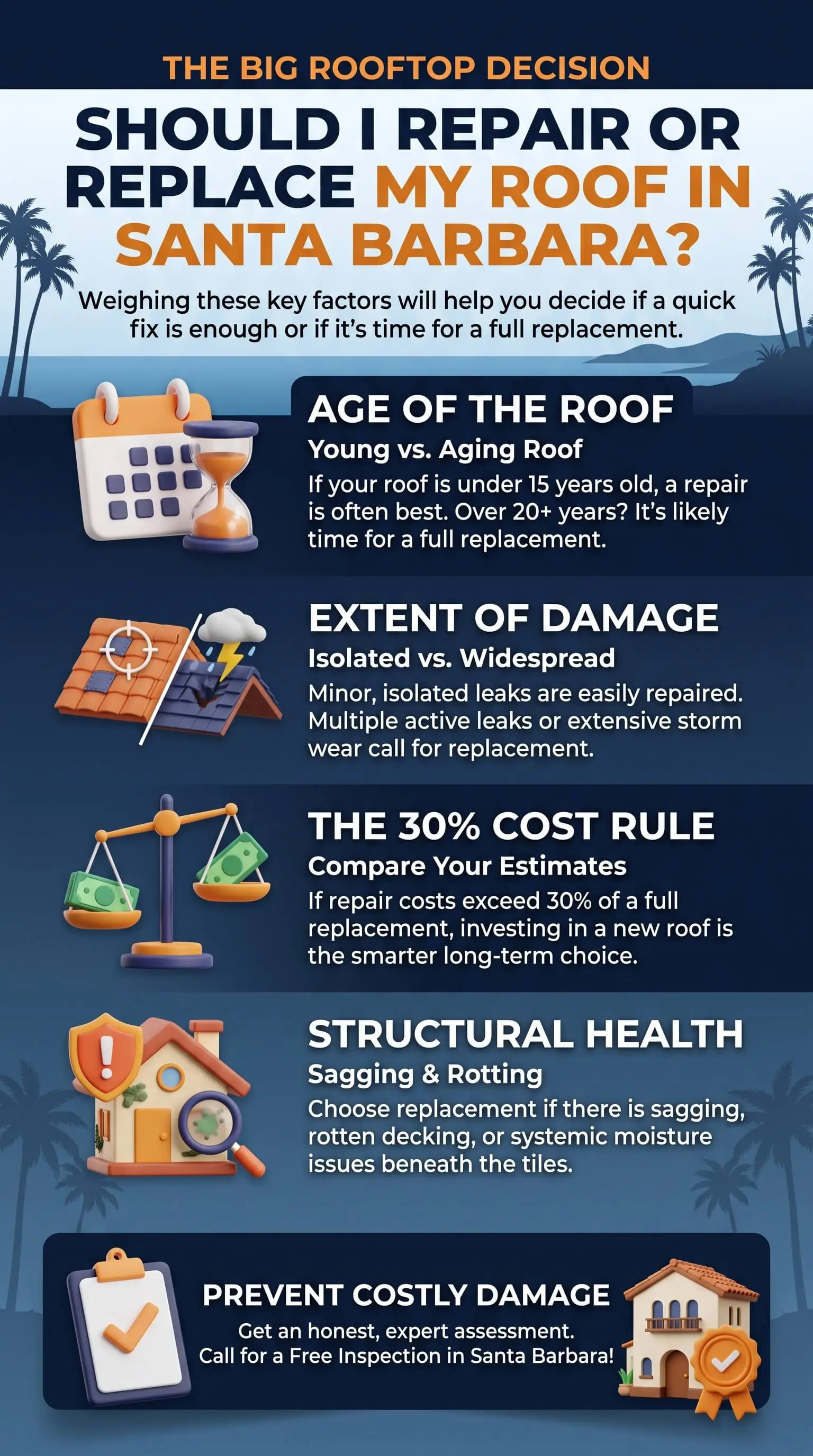
Repair the roof when the damage sits in one area, the roof is well inside its expected life, and one fix stops the leak. Replace it when water gets in at several spots, a repaired leak comes back, the deck is soft or sagging, or the underlayment has failed across the roof. Age and spread decide most cases. When those signs point to a larger failure, Roof replacement in Santa Barbara gives you a clear path forward. After that, compare what repairs will cost over the next few years with the price of a new roof.
What Your Attic Tells You Before the Roof Does
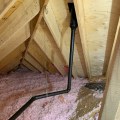
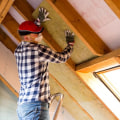
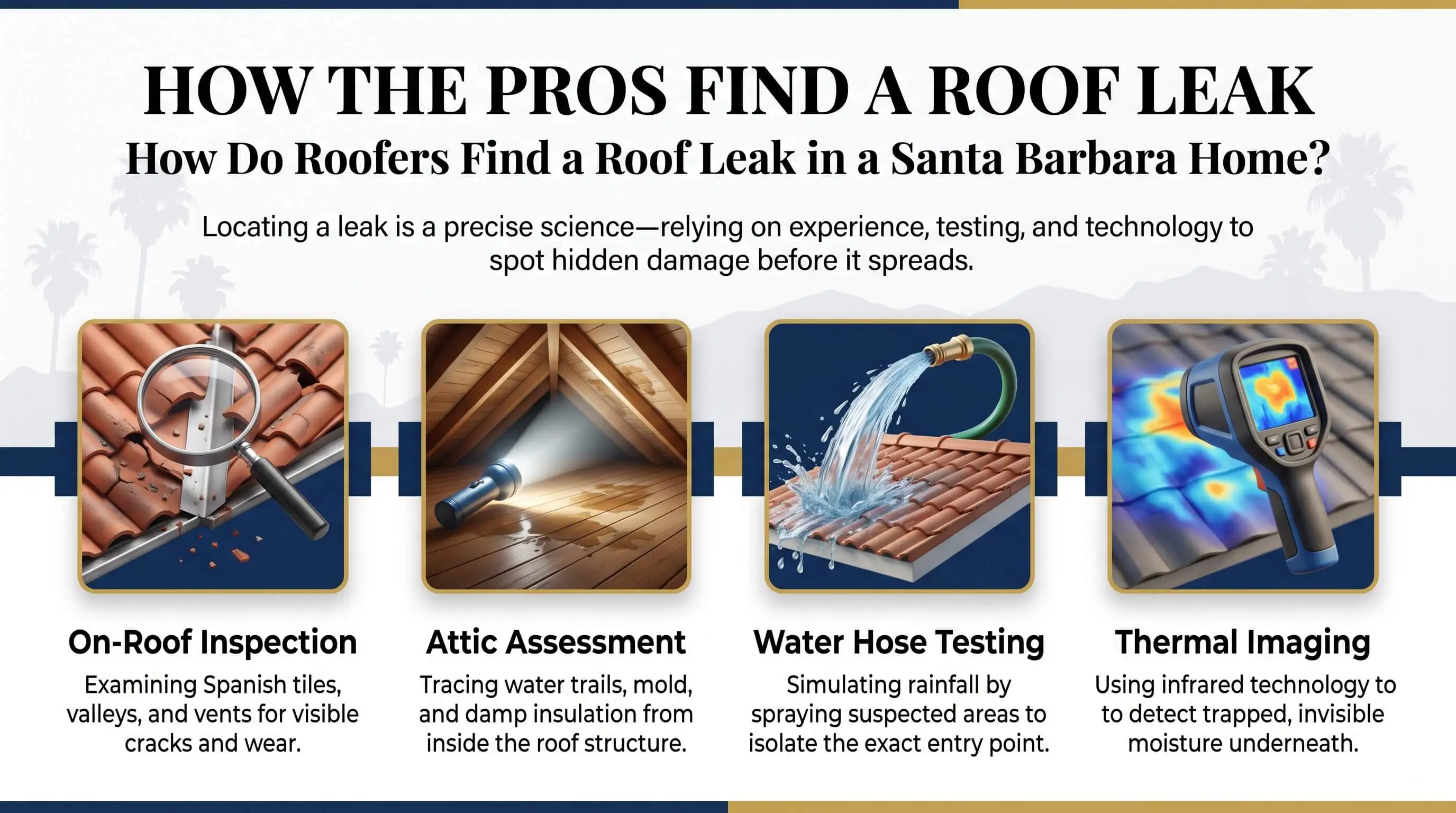
Most leaks leave marks in the attic long before they reach a ceiling. If you can get up there safely with a flashlight, take a look after the first heavy rain of the season.
These are the things we check on every inspection:
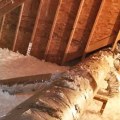
Dark stains or rings on the roof decking. A fresh stain feels damp to the touch. A dry, older one may mark a leak someone already fixed, or one that only opens up in wind-driven rain.
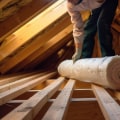
Damp, matted, or flattened insulation. Wet insulation stops doing much of its job and holds moisture against the framing. Once the leak is fixed, it usually has to come out, so replacing water-damaged attic insulation belongs in the repair conversation.
Daylight where there shouldn't be any. Pinpoints of light around vents, chimneys, or along the ridge usually point to failed flashing or a gap in the underlayment.
Rusty nail tips and dark streaks on rafters. Both mean moisture is hanging around, either from a slow leak or from an attic that doesn't vent well.
A musty smell. Trapped moisture often gives itself away by smell before you can see it.
One stain under one vent points toward a repair, while stains across several rafter bays or decking that gives under your hand point to something bigger.
When Roof Repair Is the Right Call
A roof works as a system, and a repair makes sense when only one part of it has failed. The layered structure of a roof starts with the deck that carries the load, then the underlayment that keeps water out, then the tile or shingle that shields the underlayment, with flashing sealing every edge and opening.
Repair is usually the right choice when you find:
One leak you can trace to a clear source
A few cracked, slipped, or broken tiles
Failed flashing at a chimney, skylight, vent, or wall
Shingles or tiles knocked loose in one section by wind or a falling branch
A roof that is still well short of the halfway point in its expected life
In those cases, a targeted repair restores the roof's protection for a fraction of what replacement costs. There's no reason to pay for more roof than you need.
When Replacement Makes More Sense
At some point, repairs stop saving money and turn into an annual expense. The signs we see when a roof reaches that stage are pretty consistent:
Leaks in several places at once, or a leak that comes back after a repair
Soft, spongy, or sagging sections of the deck
Curling, cracking, or heavy granule loss across large areas of shingle
Brittle or failed underlayment across much of the roof
A roof at or past the end of its expected life
Repair bills that keep stacking up, year after year
To check the math, add up what you expect to spend on repairs over the next few years and set that next to a replacement estimate. Contractors don't agree on an exact tipping point. Many suggest replacing once ongoing repairs reach somewhere between a third and a half of what a new roof costs, especially on an older roof . The trend matters more than the number, and when each repair buys less time than the one before it, the roof is telling you something.
Tile Roofs: Why the Underlayment Usually Decides It
Clay and concrete tile cover a large share of Santa Barbara homes, from Spanish Colonial Revival houses on the Riviera to newer builds in Goleta, and that changes the math. The tile can last for generations, while the underlayment beneath it wears out decades sooner.
So when a tile roof starts leaking in several spots, the tile itself is often fine and the waterproof layer underneath has failed. That doesn't automatically mean a tear-off and new tile. Our crews can lift the existing tile, replace the underlayment and flashing, swap out the broken pieces, and set the original tile back in place. You keep the look and character of the roof and get a new waterproof layer under it.
The only way to know which situation you're in is to lift a few tiles and look. Any recommendation on a tile roof, whether that's a repair, new underlayment, or a full replacement, should rest on what's under the tile rather than what you can see from the driveway.
Santa Barbara Factors That Change the Math
Fire hazard zones and Class A requirements
Much of the foothill and canyon terrain around Santa Barbara, including parts of Mission Canyon, the Riviera, and Montecito, sits inside designated fire hazard severity zones. In California's very high fire hazard severity zones, state law requires a Class A roof covering whenever an owner reroofs 50 percent or more of the roof area within one year . The City of Santa Barbara goes further. Inside its High Fire Hazard Area, City building rules call for Class A or noncombustible coverings on repairs to existing homes, not only on replacements. If you're weighing a large repair against a full replacement, look up your address on the state fire hazard map first, since your zone can narrow your material choices and change the budget.
Coastal air and marine layer moisture
Near the water, salt air and months of morning marine layer go to work on anything metal. We regularly find flashing, fasteners, and vent collars corroding well ahead of the tile or shingle around them, which is why so many coastal leaks turn out to be flashing failures on otherwise healthy roofs. Those usually make good candidates for repair. Ventilation matters here too, and keeping attic vents clear of insulation lets the attic dry out between foggy mornings.
Long dry seasons and sudden winter storms
Santa Barbara can go months without meaningful rain and then take several inches in a handful of winter storms. A cracked tile or a lifted flashing edge can sit there all summer without anyone noticing. Then the first storm finds it. Early fall is the best time for an inspection, while small repairs are still easy to schedule and before the rain turns them into urgent ones.
Roof Repair vs. Replacement at a Glance
Roof Repair
Best for: Isolated damage on a roof with useful life left
Typical scope: One area, such as a few tiles or shingles, a flashing detail, or a single leak
Upfront cost: Lower
Effect on roof life: Restores protection in the repaired area
Fire zone rules: City High Fire Hazard Area rules can apply to repairs
Disruption: A few hours to a day or two
Tile roof option: Replace broken tiles and repair the flashing
Roof Replacement
Best for: Widespread damage, recurring leaks, or an aging roof
Typical scope: New roof covering, underlayment, and flashing across the whole roof
Upfront cost: Higher
Effect on roof life: Resets the clock on the entire roof
Fire zone rules: Reroofing 50 percent or more within a year may require Class A
Disruption: Several days to a few weeks, depending on size and material
Tile roof option: New underlayment with the original tile reinstalled, or new tile
"A lot of the tile roofs we get called out to replace don't need new tile. On a mid-century tile roof, the tile can look perfect from the street while the felt underneath has nothing left. We lift a few pieces where the trouble is, and more often than not the tile's fine and the underlayment is what's done. That's a very different job, at a very different price, than tearing everything off. We've been roofing in Santa Barbara since 1996, and I tell every homeowner the same thing. Don't let anyone quote you a new roof until they've shown you what's under the old one."
Essential Resources
We send Santa Barbara homeowners to these sources when they want to check out a contractor, confirm what the codes require, or plan around fire risk and insurance. We checked every link below while preparing this page.
Contractors State License Board: Check a License. The state's lookup for any contractor's license status and complaint history. Run every roofer through it before you sign anything.
CAL FIRE Office of the State Fire Marshal: Fire Hazard Severity Zones. The state's hazard zone maps, with an address search that shows whether your home sits in a moderate, high, or very high zone.
City of Santa Barbara: High Fire Requirements. The City's short summary of building rules inside its High Fire Hazard Area, covering roof coverings, vents, and eaves for new work and repairs alike.
City of Santa Barbara: On-Demand Reroofing Permits. How the City issues like-for-like reroofing permits online through its permit portal, with links to Building and Safety forms.
CAL FIRE Ready for Wildfire: Hardening Your Home. CAL FIRE's practical advice on making a roof more ember-resistant, from choosing roofing materials to sealing the gaps under tiles.
U.S. Department of Energy: Cool Roofs. A plain-language guide to reflective roofing, including cool-colored clay and concrete tile. Read it before you pick materials for a replacement.
California Department of Insurance: Residential Property Claims Guide. What to do after storm or fire damage and how the claims process works, which helps when insurance may cover part of a roof repair.
Supporting Statistics
These three numbers are worth keeping in mind when you're deciding between repair and replacement in Santa Barbara. Each one links to the public agency that published it.
1. About three out of four homes in the City of Santa Barbara were built before 1980.
The City's draft 2023 to 2031 Housing Element, which draws on American Community Survey data, puts 75 percent of the existing housing stock before 1980. Many of those homes are on their second or third roof. Plenty of the tile roofs among them still sit on aging underlayment. Source: City of Santa Barbara, Draft 2023-2031 Housing Element presentation.
2. Wind-blown embers can ignite homes up to a mile from a wildfire.
CAL FIRE lists flying embers among the main ways homes catch fire and calls the roof the most vulnerable part of a house. In Santa Barbara's foothill neighborhoods, that puts real weight on the covering you choose for a replacement and on how well a repair seals the gaps under the tile. Source: CAL FIRE Ready for Wildfire: Hardening Your Home.
3. A reflective roof can stay more than 50°F cooler than a conventional roof on a sunny afternoon.
The U.S. Department of Energy reports that a conventional roof can reach 150°F or more in summer sun, while a reflective "cool" roof in the same conditions can stay more than 50°F cooler. If you're replacing, ask about color and finish. Lighter terra cotta and cool-coated tile are easy to find. Source: U.S. Department of Energy: Cool Roofs.
Put together, these numbers describe an older housing stock with real fire exposure and plenty of sun, so every repair-or-replace decision here deserves a close look at what the roof is made of and what's underneath it.
Final Thoughts
Too many repair-or-replace conversations start with a price for a new roof. We'd rather start with the roof you have, because a ceiling stain only tells you that water got in and says nothing about how far the damage goes.
After decades on roofs from the Riviera out to Goleta and Montecito, our view is that repair is the honest answer more often than most homeowners expect. That goes double for tile. Replacement earns its cost when the waterproof layer is truly spent, when leaks keep returning, or when the deck itself has given out, and in between sits a middle path that keeps the tile and replaces only what failed.
Whichever way you go, base the decision on what's under the surface and check how your fire zone affects your options. And hire a licensed contractor who will show you exactly what they found.
Frequently Asked Questions
How do I know if my roof needs repair or replacement?
Start with how far the problem reaches and how old the roof is. One leak, a few broken tiles, or failed flashing on a roof with plenty of life left usually calls for a repair. Leaks in several places, a leak that keeps coming back, sagging decking, or underlayment worn out across the roof point toward replacement. An inspection that covers the attic and includes a look under the tile will settle it.
How much does roof repair cost in Santa Barbara?
The cost of roof repair in Santa Barbara comes down to the roofing material, the pitch and access, the size of the damaged area, and whether the job involves flashing or underlayment. A small flashing or tile fix costs far less than replacing underlayment across a whole slope. You'll get the most reliable number from a written, itemized estimate after someone has been up on the roof.
How long does a clay tile roof last in Santa Barbara?
Properly installed clay tile can last for generations, which is why so many Santa Barbara homes still wear their original tile. The underlayment underneath wears out much sooner, depending on the material and how much sun and moisture it sees. Plenty of aging tile roofs need new underlayment for that reason, and they can usually keep their tile.
Is it cheaper to repair or replace a roof over time?
Repair costs less upfront, and on a roof with useful life left, it usually costs less overall too. The math shifts once repairs start repeating on an older roof. Add up what you expect to spend on repairs over the next few years and compare it with a replacement estimate. When those two numbers start closing in on each other, replacement is often the better long-term value.
Do I need a permit to repair or replace a roof in Santa Barbara?
Yes for reroofing. The City of Santa Barbara requires a building permit for it and issues on-demand online permits for straightforward like-for-like reroofs. Whether a smaller repair needs a permit depends on its scope, so check with the City's Building and Safety Division or have your licensed roofer pull the permit.
Does living in a fire hazard zone affect my roofing options?
Yes. In a very high fire hazard severity zone, California law requires a Class A roof covering when you reroof 50 percent or more of a roof within a year. Inside the City of Santa Barbara's High Fire Hazard Area, local rules also call for Class A or noncombustible materials on repairs. Look up your address on the CAL FIRE hazard map before you plan the work.
Get an Honest Repair-or-Replace Answer Before You Spend a Dollar on Your Santa Barbara Roof
Spotted a stain, a slipped tile, or damp insulation in the attic? Book an inspection before anyone hands you a sales pitch. A licensed local roofer should check the attic, lift a few tiles where it matters, and give you a written, itemized scope that shows whether repair, new underlayment, or a new roof makes the most sense. A clear recommendation now keeps a small leak from turning into a big project once the winter storms arrive.